Precision tools are the backbone of professional screen printing. Each instrument plays a specific, indispensable role in ensuring that the screen is correctly prepared, tensioned and used to deliver sharp, consistent prints across every production run.
Frame
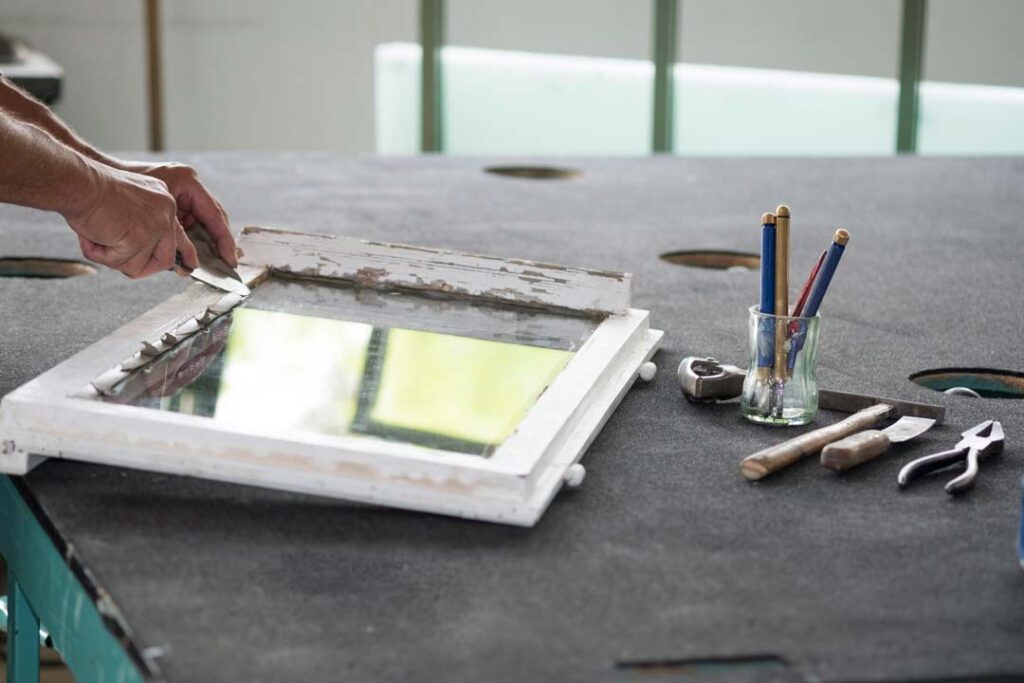
The screen printing frame is the rigid structural foundation to which the mesh is stretched and bonded. Frames are most commonly made from extruded aluminium profiles, which offer the ideal combination of strength, lightweight handling, dimensional stability and resistance to warping from ink and water exposure. Wooden frames are a lower-cost alternative suitable for short-run or hobby printing. The frame must maintain its shape under the considerable tension of the stretched mesh – typically between 15 and 35 Newtons per centimetre – and must remain perfectly flat to ensure even contact with the substrate during printing. Frames are available in a wide range of sizes and the choice of frame size is determined by the print area required and the type of printing press being used.
Squeegee
The squeegee is the printing tool used to push ink through the open mesh of the stencil onto the substrate below. It consists of a handle (typically aluminium, wood, or plastic) and a rubber blade – the squeegee rubber – which makes direct contact with the screen. Squeegee blades are available in varying durometers (hardness): soft blades (60–65 Shore A) deposit more ink and are used for coarse meshes and bold designs; medium blades (70–75 Shore A) are the all-purpose standard; and hard blades (80–90 Shore A) are used for fine halftone printing and technical applications. Blade profile also matters – flat, single-bevel and double-bevel edges each produce different ink deposit characteristics. Consistent squeegee angle, speed and pressure are critical to achieving uniform, repeatable prints.

Spatula
The spatula – also called a palette knife or ink knife – is a flat, flexible-bladed hand tool used to scoop, mix, transfer and work inks. In the screen printing workshop, spatulas are used to portion ink onto the screen before printing, blend multiple colours to achieve custom shades, incorporate additives such as puff agents or extenders into ink bases and scrape ink cleanly off the screen or from ink containers after use. Available in stainless steel and plastic, they are simple but essential tools that help maintain ink consistency, reduce waste and keep the workspace organized.
Tension Meter
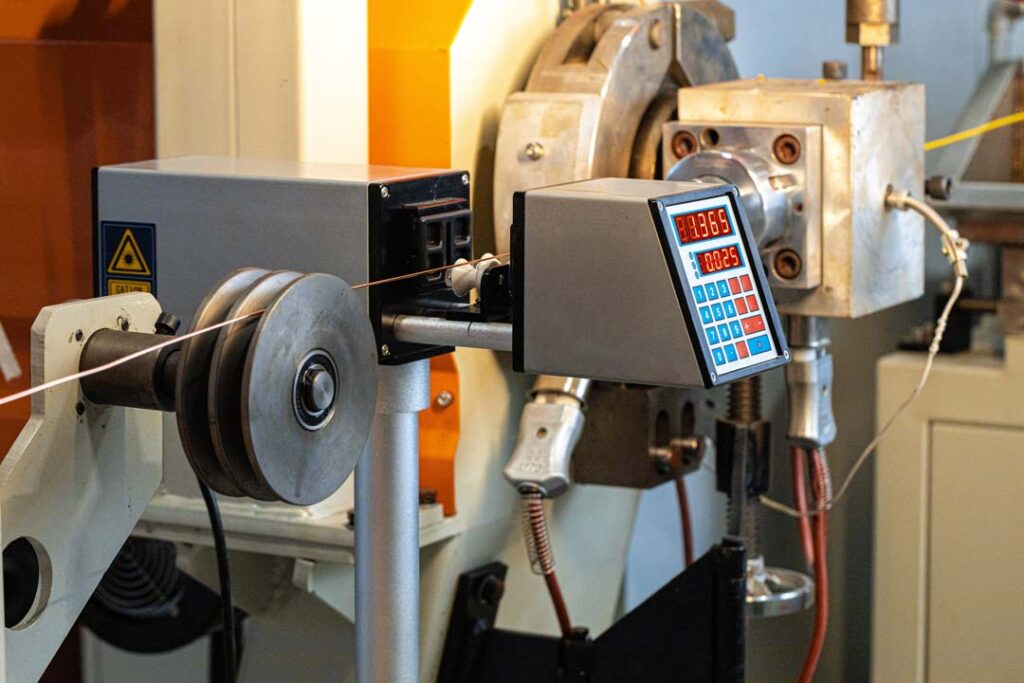
A tension meter is a precision measuring instrument used to verify that the screen mesh has been stretched to the correct and uniform tension across its entire surface before printing. Mesh tension – measured in Newtons per centimetre (N/cm) – is one of the most critical and frequently overlooked variables in screen printing quality. Insufficient or uneven tension causes ink smearing, dot gain in halftones, poor off-contact performance and mis registration in multicolour jobs. The tension meter is placed flat on the mesh surface and provides a reading of the tension at that point, allowing the operator to check multiple zones of the screen and ensure consistency. Recommended tension levels vary by mesh count and frame type, but professional shops typically aim for 20-30 N/cm for general printing.
Coating Trough (Scoop Coater)
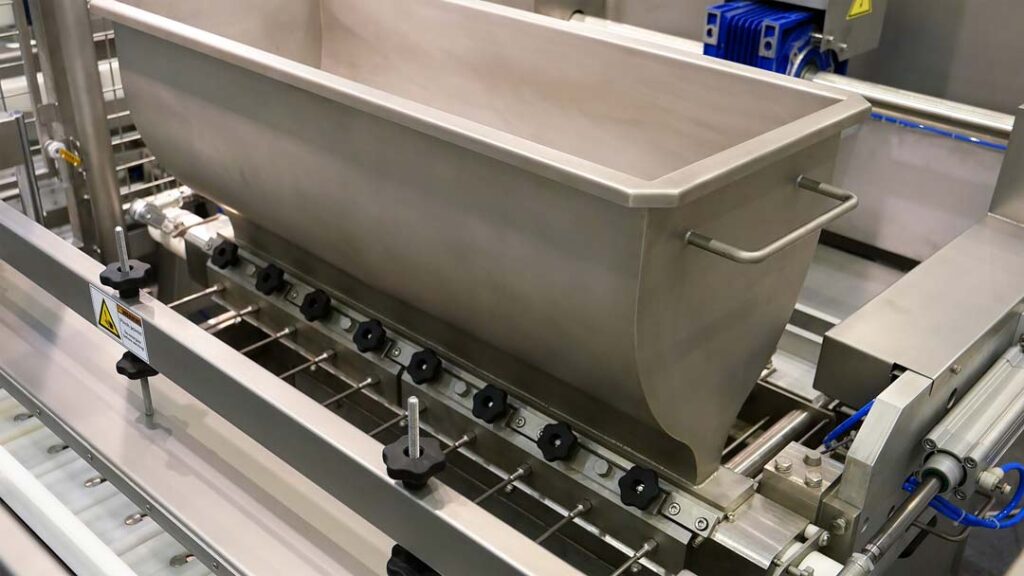
The coating trough, or scoop coater, is a metal or plastic vessel with a smooth, precisely machined edge used to apply an even, controlled layer of emulsion to the screen mesh. Loaded with liquid emulsion and held at a consistent angle against the mesh, the coater is drawn smoothly upward across the screen surface, depositing a thin, uniform film of emulsion on both sides of the mesh. Multiple coats may be applied (with drying between coats) to build up the Emulsion over Mesh (EOM) thickness required for a particular ink system or print effect. The quality and cleanliness of the coating trough edge directly affects the evenness of the emulsion coat – nicks or debris in the edge create streaks that result in pinholes and stencil defects.